

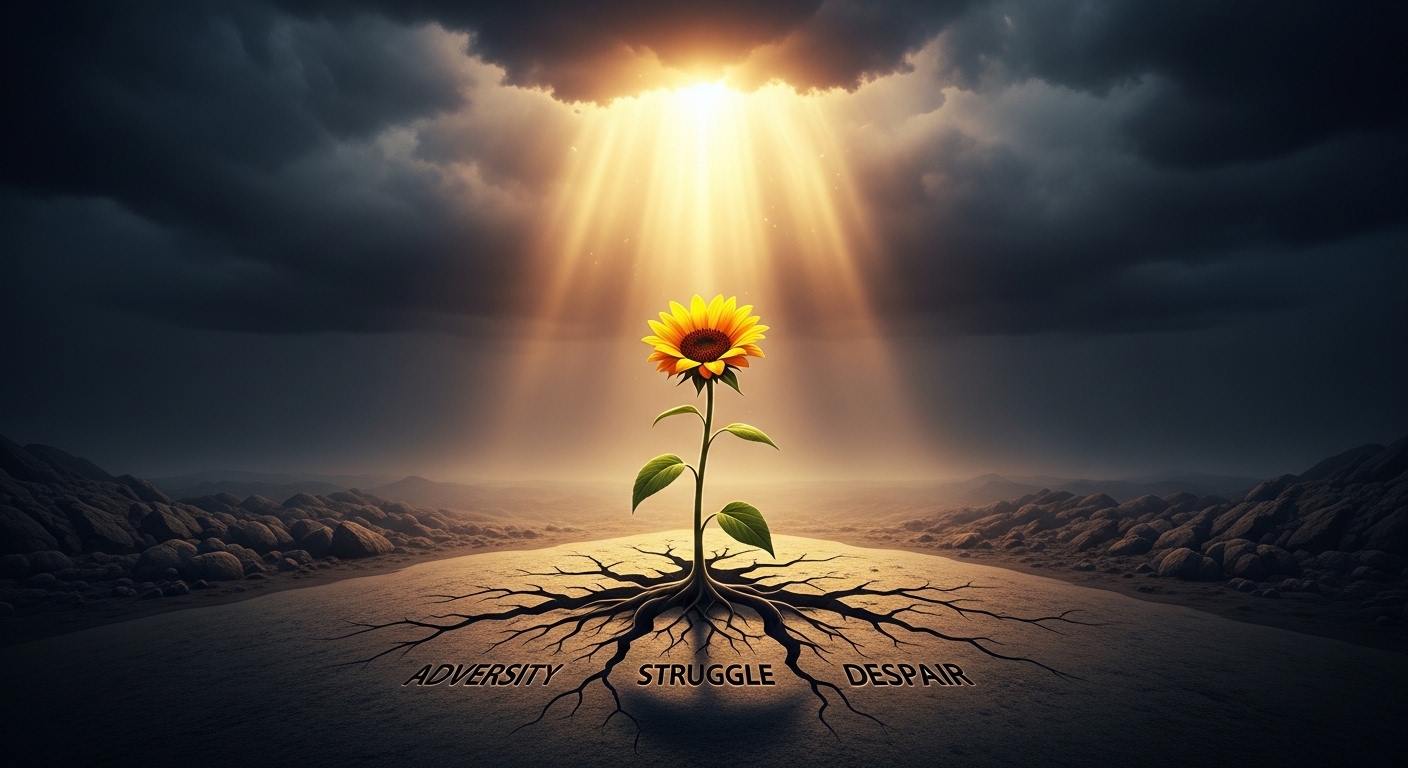
What Is Hope and Why Should You Care?
Have you ever faced a day so dark you couldn’t see a way forward? Maybe it was a health scare, a broken relationship, a job loss, or just the heavy weight of everyday struggles. In those moments, one thing can make all the difference: hope.
But what exactly is hope? It’s not just wishful thinking or blind optimism. Hope is the quiet confidence that things can get better and that you have a role to play in making them better. It’s the bridge between where you are and where you want to be.
Think of hope as your internal flashlight during a power outage. It won’t instantly fix the problem, but it will show you the next step. And sometimes, the next step is all you need.
In this article, we’ll explore why hope is essential for overcoming adversity, how it actually works in your brain and body, and most importantly how you can grow your hope even when life feels hopeless.
Why Hope Matters: More Than Just a Nice Feeling
Hope isn’t just a “nice to have.” It’s a must-have for thriving through hard times. Here’s why hope is so powerful:
1. Hope Gives You Energy to Keep Going
When you have hope, you have a reason to get out of bed in the morning. It fuels motivation. Without hope, why bother trying? Hope whispers, “This effort matters. Keep going.”
2. Hope Protects Your Mental Health
Research consistently shows that hopeful people experience lower rates of depression and anxiety. Hope acts like a psychological shield. When you believe good things are possible, stress doesn’t crush you the same way.
3. Hope Improves Physical Health
This might surprise you, but hope affects your body too. Studies from the American Psychological Association show that hopeful people often have lower blood pressure, better pain tolerance, and even stronger immune systems. Your mind and body are deeply connected.
4. Hope Strengthens Relationships
Hopeful people are easier to be around. They look for solutions instead of dwelling on problems. They encourage others. This makes their friendships and family bonds stronger and more supportive.
5. Hope Gives Life Meaning
When you have hope, you believe your life has purpose. You’re not just drifting along you’re moving toward something meaningful. This sense of direction is a cornerstone of human happiness.
The Science of Hope: It’s Not Just Fluff
You might think hope is just a vague concept, but scientists have studied it deeply. One of the leading researchers, Dr. Charles R. Snyder, developed what’s called Hope Theory. He found that hope has three main parts:
- Goals – Thinking clearly about what you want to achieve.
- Pathways – Believing you can find ways to reach your goals.
- Agency – Believing you can make those things happen.
According to Snyder, hope isn’t just an emotion it’s a thinking process. And the good news? You can learn and strengthen this process at any age.
Interesting Statistic: A 2020 study published in the Journal of Positive Psychology found that people with higher levels of hope reported 32% higher life satisfaction and coped significantly better during stressful events like the COVID-19 pandemic.
How Hope Helps You Overcome Adversity: Real-Life Examples
Let’s look at how hope works in real situations. These examples show hope in action:
Example 1: Health Crisis
Imagine someone diagnosed with a serious illness. Without hope, they might feel paralyzed—skipping treatments, neglecting self-care, and giving up. With hope, they research options, follow doctor’s advice, lean on loved ones, and maintain a positive outlook. Hope doesn’t guarantee a cure, but it improves quality of life and often leads to better medical outcomes.
Example 2: Financial Hardship
Losing a job or facing debt is terrifying. A hopeless person might ignore bills, avoid job searching, and sink into despair. A hopeful person, however, creates a plan: update their resume, network, learn new skills, and cut expenses. Hope turns a crisis into a challenge they can tackle step by step.
Example 3: Grief and Loss
Losing someone you love is one of life’s hardest experiences. Hope doesn’t erase the pain. But it does offer a comforting belief—whether in eternal life, cherished memories, or the possibility of healing over time. For many, faith provides this hope. As discussed in What Does the Bible Say About Life After Death?, the promise of something beyond this life can be a profound source of comfort.
Where Does Hope Come From? Faith, Community, and Inner Strength
Hope has many sources. Understanding where yours comes from can help you nurture it.
Faith and Spirituality
For millions of people, hope is rooted in faith. Believing in a loving God who has a plan provides unshakable hope, even in darkness. Religious texts are filled with hopeful messages. The Bible, for example, promises that God has plans “to give you hope and a future” (Jeremiah 29:11).
If you want to strengthen your spiritual hope, you might explore 10 Ways to Strengthen Your Faith in God. Simple practices like daily prayer, reading scripture, and connecting with a faith community can build a hope that weathers any storm.
Loving Relationships
Hope grows in community. When friends and family believe in you, it’s easier to believe in yourself. Their encouragement becomes evidence that you’re not alone. This is why support groups, churches, and close-knit families are so vital during hard times.
Personal Resilience
Some hope comes from inside. Every time you’ve survived a struggle in the past, you build “hope memories.” You learn: I got through that. I can get through this too. This inner resilience is like a muscle it strengthens with use.
A Vision for the Future
Hope often attaches to a future goal. Maybe it’s watching your children grow up. Maybe it’s achieving a dream you’ve held for years. Maybe it’s the hope of Heaven and eternal life. Having something to look forward to keeps hope alive.
Practical Ways to Build Hope When You’re Struggling
Hope can feel out of reach when you’re in pain. But you can take small, concrete steps to invite hope back in. Try these:
1. Name Your Feelings
You can’t fix what you don’t acknowledge. Give yourself permission to feel sad, scared, or angry. Suppressing emotions drains hope. Naming them releases some of their power.
2. Set One Small Goal
Don’t try to solve everything at once. Ask yourself: What’s one tiny thing I can do today? Maybe it’s taking a shower, calling one friend, or reading a single page. Small wins build momentum.
3. Remember Past Victories
Think back to a hard time you survived. What helped you then? Who supported you? What strengths did you discover? Write it down. Your own history is proof that you’re stronger than you feel right now.
4. Surround Yourself with Hopeful People
Hope is contagious. Spend time with people who see possibilities, not just problems. If you don’t have those people nearby, consider joining a support group or faith community. Being around others who believe in tomorrow can shift your own perspective.
5. Limit Negative Input
News feeds and social media can drain hope fast. You don’t need to ignore the world, but be mindful of how much negativity you absorb. Balance it with uplifting content: inspiring stories, hopeful music, encouraging podcasts.
6. Practice Gratitude
Gratitude and hope are best friends. When you notice what’s good today, it becomes easier to believe that good things can happen tomorrow. Each night, write down three things you’re thankful for. It trains your brain to look for light.
7. Take Care of Your Body
Hope is harder to feel when you’re exhausted, hungry, or in pain. Sleep, eat well, move your body, and get outside. Physical care creates the foundation for emotional and spiritual hope.
8. Pray or Meditate
If you’re spiritually inclined, prayer can be a powerful hope-builder. It’s a way to release burdens and ask for strength. Even if you’re not religious, meditation and mindfulness can quiet anxious thoughts and create space for hope to emerge.
9. Help Someone Else
When you’re struggling, helping others might feel impossible. But even small acts of kindness—a listening ear, a warm meal, a simple compliment—can remind you that you still have something to give. And that reminder is deeply hopeful.
10. Seek Professional Help If Needed
Sometimes hope needs a guide. Therapists, counselors, and spiritual advisors are trained to help people find their way out of darkness. Reaching out is a sign of strength, not weakness.
The Connection Between Hope and Faith
For many, hope and faith are inseparable. Faith provides the “why” behind hope. It answers questions like:
- Why should I keep going?
- Does my life have meaning?
- Is there anyone who sees my pain?
Faith traditions offer answers. In Christianity, hope isn’t wishful thinking it’s confident expectation based on God’s character. The Bible is filled with promises that sustain hope:
“May the God of hope fill you with all joy and peace as you trust in him, so that you may overflow with hope by the power of the Holy Spirit.” – Romans 15:13
If you want to deepen this connection in your own life, learning about Spiritual Discernment can help you recognize God’s guidance even in confusing times. When you can discern His voice, hope becomes more than a feeling it becomes a daily reality.
Living with hope is really about Living Life as God Intended a life marked by purpose, trust, and the confidence that you’re held by something greater than your circumstances.
Frequently Asked Questions About Hope
Q: Is hope the same as optimism?
A: Not exactly. Optimism is a general expectation that good things will happen. Hope is more active it involves believing you can find pathways to make good things happen. Hope includes you in the equation.
Q: What if I’ve tried everything and nothing works?
A: That’s incredibly hard, and your feelings are valid. Sometimes hope isn’t about fixing the problem but about finding meaning within the problem. It’s okay to grieve. And it’s also okay to keep showing up, even if just to breathe through another day. Sometimes hope is simply refusing to give up.
Q: Can hope be harmful?
A: False hope denying reality or pursuing impossible goals can be harmful. But true hope faces reality honestly while still believing in possibilities. It’s not about ignoring pain; it’s about not letting pain have the final word.
Q: How do I help someone who has lost hope?
A: First, listen without trying to fix them. Your presence matters more than your words. Then, gently remind them of their strengths, share hopeful stories, and offer practical support. Sometimes just sitting with someone in their darkness is the most hopeful gift you can give.
Q: Is it possible to have hope without religious faith?
A: Absolutely. Many people find hope in love, nature, art, human connection, or the simple belief that tomorrow can be better. Faith is one powerful source of hope, but not the only one. Hope is a universal human experience.
Conclusion: Hope Is a Choice You Can Make
Hope isn’t about pretending everything is fine. It’s about believing that even in the mess, something good is still possible. It’s a decision to look for light, even when the night feels endless.
And here’s the beautiful truth: hope grows when you share it. When you offer hope to someone else, you strengthen your own. When you receive hope from others, you’re reminded you’re not alone.
If you’re struggling today, start small. Take one deep breath. Name one thing you’re grateful for. Reach out to one person who cares. These tiny seeds of hope can grow into something that sustains you through anything.
You are stronger than you know. And as long as you’re still here, there is still hope.
Ready to strengthen your hope even more? Explore these helpful resources:
- What Does the Bible Say About Life After Death? – Find comfort in eternal promises
- 10 Ways to Strengthen Your Faith in God – Practical steps for spiritual growth
- Bible Verses About Heaven and Eternal Life – Scriptures that uplift and encourage
- Spiritual Discernment Bible Guide – Learn to recognize God’s guidance
Share this article with someone who needs a reminder that hope is still alive. You never know whose darkness your light might reach.

0 Comments
Trackbacks/Pingbacks